
The Influence of Environment
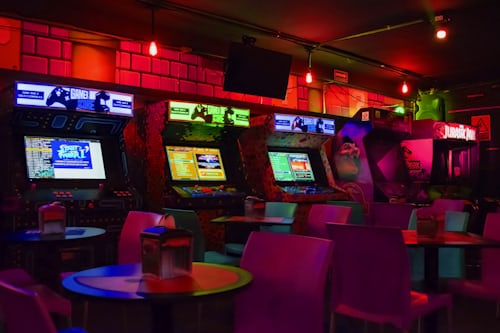
The environment within a casino is meticulously crafted to evoke a sense of excitement and escape from reality. From the moment players step inside, they are greeted with a sensory overload of bright lights, vibrant colors, and the enticing sounds of spinning reels and clattering chips. These elements work in harmony to create an exhilarating atmosphere that encourages patrons to linger longer and engage more deeply in gaming activities. For instance, popular slot machines are strategically placed near entrances and high-traffic areas to allure individuals into a world where stress and daily concerns seem to vanish, making it easier to indulge in continuous play while considering options like nrl betting tips to enhance their overall experience.
Furthermore, the use of specific scents can significantly enhance the overall gaming experience. Research has shown that pleasant ambient fragrances can boost players’ moods, increasing their willingness to engage in gambling activities. Casinos often utilize scents like citrus or vanilla, which are known to evoke positive emotions and memories. This psychological tactic subtly strengthens the emotional connection players have with the gaming environment, making them more likely to return. When players associate the smell of the casino with enjoyable experiences, it reinforces their desire to come back for another round of fun.
The layout and design of a casino also play a crucial role in shaping player behavior. With fewer windows and clocks visible, players can easily lose track of time, creating an immersive experience that encourages longer gaming sessions. The absence of external time signals allows players to become engrossed in their pursuit of wins or jackpots, often leading to increased spending. By crafting a space where reality fades away, casinos create an environment conducive to extended play, ultimately maximizing their revenue.
Game Mechanics and Reward Systems
The mechanics that underpin casino games are deeply rooted in psychological principles, often employing sophisticated reward systems that tap into human behavior. One notable strategy is the “near miss” effect, where players encounter outcomes that are tantalizingly close to winning. This phenomenon stimulates the brain’s reward pathways and creates a sense of urgency to continue playing, as players feel they are on the cusp of success. Even if they are losing overall, this sensation can be highly addictive, compelling players to gamble more in hopes of achieving that elusive victory.
Casinos also frequently use variable reinforcement schedules, rewarding players at unpredictable intervals. This randomness heightens excitement and anticipation surrounding gameplay, as each spin or hand feels thrillingly uncertain. The unpredictability of rewards keeps players engaged, driven by the hope of striking it rich. This element of surprise captivates players and can lead to repeated visits, as they continuously seek the thrill of the next significant payout, reinforcing their connection to the games.
Moreover, loyalty programs and bonuses function as powerful psychological incentives, making players feel appreciated and encouraging them to return. By offering free spins, credits, or exclusive perks, casinos foster a sense of community and belonging among their players. This dynamic not only builds loyalty but also reinforces the desire to keep playing, as players want to maximize their benefits and achieve higher loyalty tiers. The anticipation of reaching a new status or receiving rewards intertwines gambling with social recognition, creating a compelling reason to stay engaged longer.
The Role of Social Interaction
Social interaction is another vital psychological component that keeps players engaged in casinos. Many individuals appreciate the camaraderie that comes from gambling, whether it’s sharing a table with friends or striking up conversations with fellow players at slot machines. This social dynamic fosters a friendly environment that encourages longer playtimes, as players enjoy the shared experience. Casinos are often designed to enhance this interaction, featuring communal areas and games that facilitate social bonding, making the experience more enjoyable and memorable.
The presence of staff, such as dealers and attendants, also significantly impacts the player experience. Friendly and engaging personnel can elevate a player’s mood and make them feel welcomed, reinforcing their desire to stay and play. When staff members remember returning players’ names or preferences, it creates a sense of familiarity that strengthens emotional ties to the casino. This personalized service enhances the overall experience, encouraging individuals to return to a place where they feel valued and recognized.
Furthermore, the rise of online casinos has introduced live dealer games that mirror the social aspect of traditional gambling. These platforms allow players to interact with dealers and fellow participants in real-time, creating an engaging environment from the comfort of home. This blend of technology and social gaming caters to individuals who thrive on interaction, underscoring the importance of community in keeping players invested in their gaming experiences, whether in physical casinos or the digital realm.
The Psychology of Risk and Decision-Making
Understanding the psychology behind risk-taking behavior is crucial to grasping how casinos maintain player engagement. The adrenaline rush associated with wagering and the allure of winning big create a compelling draw. Players often experience heightened excitement when placing bets, which can lead to addictive behavior. This state of arousal can result in impulsive decision-making, where players continue to gamble despite incurring losses, driven by the desire to recapture the thrill of winning.

The way choices are framed also significantly influences player decisions. For example, players may perceive a game with a higher payout percentage as a more attractive option, even when the actual odds are similar to other games. This cognitive bias can lead to a misinterpretation of risk, encouraging players to continue betting. By presenting options that highlight potential gains rather than losses, casinos effectively influence player behavior and decision-making processes, steering them towards choices that may not be in their best interest.
Additionally, the concept of loss aversion plays a pivotal role in how players approach gambling. Many individuals are more driven to avoid losses than to achieve gains, leading them to continue playing in an attempt to “win back” what they have lost. This psychological phenomenon keeps players engaged, as they often rationalize their ongoing betting by believing that success is just around the corner. The ongoing struggle against loss, combined with the enticing prospect of potential gains, creates a cycle that keeps players entrenched in the gambling experience.
Exploring Responsible Gaming Resources
While it is essential to understand how casinos leverage psychological tactics to engage players, recognizing the importance of responsible gaming is equally crucial. Many casinos are becoming increasingly aware of their social responsibilities and are implementing measures to promote safe gambling practices. This includes offering resources and support for players who may be struggling with gambling issues, such as self-exclusion programs and educational materials on responsible gaming.
Responsible gaming initiatives often involve setting limits on playtime and spending, allowing players to maintain control over their gambling habits. Many casinos now provide customizable options for patrons to set personal budgets or time restrictions, promoting a healthier approach to gaming. By encouraging these practices, casinos can create an environment that prioritizes player well-being while still allowing for enjoyment and entertainment.
Furthermore, educational campaigns aimed at raising awareness about the psychological tactics used in casinos can empower players to make informed decisions. When individuals understand the strategies employed to influence their behavior, they are better equipped to recognize when they are being manipulated. This knowledge can help them maintain a balanced relationship with gambling. By promoting awareness and offering resources, casinos can contribute to a safer and more responsible gaming culture, ensuring that players can enjoy the excitement of gambling without falling victim to its potential pitfalls.