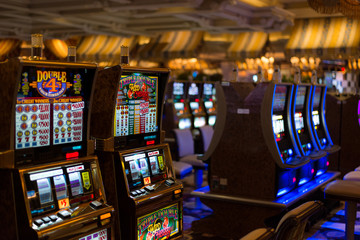
Die historische Entwicklung des Glücksspiels Ein Blick in die Vergangenheit

Die historische Entwicklung des Glücksspiels Ein Blick in die Vergangenheit

Ursprünge des Glücksspiels

Die Wurzeln des Glücksspiels reichen bis in die Antike zurück, wo schon in frühen Kulturen, wie im alten China und Mesopotamien, Spiele um Geld gespielt wurden. Hierbei wurden häufig Würfel verwendet, und die Menschen setzten auf den Ausgang von Wettkämpfen oder Spielen. Diese frühen Formen des Glücksspiels waren oft eng mit religiösen Praktiken verbunden, da sie als Wege angesehen wurden, um göttlichen Beistand zu erhalten oder das Schicksal zu beeinflussen. Heutzutage finden viele Spieler in den besten Online Casinos casino ohne limit, wo sie unbeschränkte Einsätze platzieren können.

In der Antike waren die Römer und Griechen besonders bekannt für ihre Wettspiele. Die Römer beispielsweise veranstalteten Wettkämpfe, bei denen man auf Gladiatoren oder Wagenrennen setzen konnte. Diese Formen des Glücksspiels waren nicht nur unterhaltsam, sondern auch eine Möglichkeit, gesellschaftliche Bindungen zu stärken und Rivalitäten auszutragen. Die Popularität dieser Spiele führte dazu, dass sie zunehmend reguliert wurden.

Im Laufe der Jahrhunderte entwickelte sich das Glücksspiel weiter, wobei in verschiedenen Kulturen unterschiedliche Formen entstanden. Im Mittelalter beispielsweise waren in Europa Wettspiele sehr beliebt, aber oft mit strengen Regeln und Vorschriften belegt. Die Faszination für Glücksspiele blieb jedoch ungebrochen und führte zur Entstehung von Lotterien und anderen Glücksspielen, die schon bald auch von den Regierungen zur Finanzierung öffentlicher Projekte eingesetzt wurden.

Die Entwicklung im Mittelalter und der Neuzeit

Im Mittelalter erlebte das Glücksspiel eine neue Blütezeit, insbesondere durch die Einführung von Kartenspielen. Diese Spiele wurden in den königlichen Höfen populär und fanden schnell ihren Weg in die breitere Bevölkerung. Die ersten Spielkarten kamen vermutlich aus China und wurden im 14. Jahrhundert in Europa eingeführt. Ihr Einfluss auf die Glücksspielkultur war erheblich, da sie neue Möglichkeiten für Strategien und Wetten boten.

Mit der Entdeckung neuer Kontinente und der anschließenden Kolonisation breitete sich das Glücksspiel weiter aus. In den amerikanischen Kolonien, insbesondere in den Glücksspielzentren wie New Orleans, fanden viele der heute bekannten Glücksspiele ihren Ursprung. Das Wettgeschäft wuchs und entwickelte sich zu einem wichtigen Teil der Wirtschaft in vielen Regionen. Lotterien wurden zur Finanzierung von Straßen, Schulen und anderen öffentlichen Projekten genutzt.

Die Regulierung des Glücksspiels variierte stark von Region zu Region. Während einige Länder eine restriktive Haltung einnahmen, um die sozialen Probleme im Zusammenhang mit dem Glücksspiel zu bekämpfen, förderten andere den Sektor aktiv. Diese duale Entwicklung führte dazu, dass sich im 19. Jahrhundert eine Vielzahl von Glücksspielangeboten formierte, die in den modernen Casinos ihren Höhepunkt fanden.

Die moderne Glücksspielindustrie

Im 20. Jahrhundert erlebte die Glücksspielindustrie einen tiefgreifenden Wandel mit der Einführung von Casinos, sowohl landgestützt als auch online. Die ersten modernen Casinos entstanden in den USA, insbesondere in Las Vegas, wo das Glücksspiel zu einem zentralen Bestandteil des Unterhaltungssystems wurde. Diese Einrichtungen boten nicht nur Spiele an, sondern auch ein umfangreiches Freizeitangebot, das Touristen aus der ganzen Welt anzog.

Mit der Digitalisierung des Glücksspiels in den 1990er Jahren entstand das Online-Glücksspiel. Diese Entwicklung revolutionierte die Branche, da Spieler nun bequem von zu Hause aus auf eine Vielzahl von Spielen zugreifen konnten. Online-Casinos bieten nicht nur eine große Auswahl an Spielen, sondern auch attraktive Boni und Promotionen, um Spieler zu gewinnen. Diese Veränderungen haben die Dynamik des Glücksspiels grundlegend verändert und eine neue Generation von Spielern hervorgebracht.

Die Regulierung des Online-Glücksspiels stellt jedoch eine Herausforderung dar, da unterschiedliche Länder unterschiedliche Gesetze und Vorschriften haben. Während einige Länder eine klare rechtliche Grundlage für Online-Casinos geschaffen haben, gibt es in anderen Regionen noch immer unklare Rahmenbedingungen. Dies führt zu einem ungleichen Wettbewerb und hat Auswirkungen auf den Spielerschutz, was ein wichtiges Thema in der modernen Glücksspielindustrie ist.

Die gesellschaftliche Wahrnehmung des Glücksspiels

Die gesellschaftliche Wahrnehmung des Glücksspiels hat sich im Laufe der Geschichte stark verändert. Während Glücksspiel in der Antike oft als ein Akt der Freizeitgestaltung und des Vergnügens angesehen wurde, gibt es heute viele kritische Stimmen, die die sozialen und wirtschaftlichen Folgen des Glücksspiels betonen. Spielsucht ist ein ernstes Problem, das viele Menschen betrifft und auf das zunehmend aufmerksam gemacht wird.

Die Diskussion um den verantwortungsvollen Umgang mit Glücksspielen hat in den letzten Jahrzehnten an Bedeutung gewonnen. Regierungen und Glücksspielanbieter versuchen, Maßnahmen zu ergreifen, um Spieler zu schützen und die negativen Auswirkungen zu minimieren. Dazu gehören Aufklärungskampagnen, Selbstsperren und die Einführung von Limits für Einsätze. Trotz dieser Bemühungen bleibt das Glücksspiel ein zweischneidiges Schwert, das sowohl Chancen als auch Risiken birgt.

In vielen Kulturen ist das Glücksspiel nach wie vor ein beliebtes Freizeitvergnügen. Es bietet eine Möglichkeit, in geselliger Runde Zeit zu verbringen und kann auch als eine Form der sozialen Interaktion gesehen werden. Dennoch ist es wichtig, die Gefahren des Glücksspiels zu erkennen und einen verantwortungsbewussten Umgang zu fördern, um die Vorzüge des Spiels zu genießen, ohne in die Abhängigkeit abzurutschen.

Fazit über die historische Entwicklung des Glücksspiels

Die historische Entwicklung des Glücksspiels zeigt einen faszinierenden Wandel von den frühen Wettformen bis hin zur modernen Glücksspielindustrie. Glücksspiele sind tief in der menschlichen Kultur verwurzelt und spiegeln sowohl das Streben nach Unterhaltung als auch die komplexen sozialen Dynamiken wider. Die Entwicklungen im Bereich Technologie und Regulierung haben das Glücksspiel weiter transformiert und neue Herausforderungen und Möglichkeiten geschaffen.

In einer Zeit, in der das Glücksspiel in vielen Ländern liberalisiert wird, ist es unerlässlich, die Balance zwischen Unterhaltung und Verantwortung zu finden. Die Gesellschaft muss sich weiterhin mit den sozialen Auswirkungen des Glücksspiels auseinandersetzen und den Schutz der Spieler priorisieren. Gleichzeitig sollten die positiven Aspekte des Glücksspiels nicht übersehen werden, da sie einen wichtigen Teil der menschlichen Erfahrung ausmachen.

Insgesamt zeigt die Geschichte des Glücksspiels, dass es mehr als nur ein Spiel ist. Es ist ein Spiegelbild unserer Kultur, Werte und der sich wandelnden gesellschaftlichen Normen. Die Zukunft des Glücksspiels wird sicherlich weiterhin von Innovationen geprägt sein, während gleichzeitig die Herausforderungen im Bereich des Spielerschutzes angegangen werden müssen.

Beliebte Casinospiele im Detail erklärt

Beliebte Casinospiele im Detail erklärt

Einführung in Casinospiele

Casinospiele sind eine faszinierende Form der Unterhaltung, die Millionen von Menschen weltweit anzieht. Sie bieten nicht nur die Möglichkeit, Geld zu gewinnen, sondern auch ein aufregendes Erlebnis durch die verschiedenen Spielarten und deren Regeln. Online-Casinos haben in den letzten Jahren stark an Popularität gewonnen, was dazu führt, dass immer mehr Spieler ihre Favoriten bequem von zu Hause aus genießen können. Diese Spiele sind oft in verschiedene Kategorien unterteilt, wobei Slotmaschinen, Tischspiele und Live-Casino-Spiele die häufigsten sind. Heutzutage können Sie sogar ein online casino ohne limit entdecken, das Ihnen noch mehr Freiheiten bietet.

Die Vielfalt der Casinospiele ist enorm. Von klassischen Slotmaschinen, die oft mit Früchten und klassischen Symbolen versehen sind, bis hin zu modernen Video-Slots mit beeindruckender Grafik und Animationen, die Geschichten erzählen. Auch Tischspiele wie Blackjack, Roulette und Baccarat sind sehr gefragt, da sie strategisches Denken und Glück erfordern. Diese Spiele bieten den Spielern nicht nur die Chance auf Gewinne, sondern auch die Möglichkeit, mit anderen Spielern oder Dealern zu interagieren.

Darüber hinaus sind die Bonusangebote und Promotions, die von Online-Casinos angeboten werden, ein zusätzlicher Anreiz für Spieler. Viele Plattformen bieten Willkommensboni, Freispiele oder Treueprogramme, um neue Spieler zu gewinnen und bestehende Spieler zu halten. Diese Faktoren machen Casinospiele zu einer spannenden und potenziell lukrativen Freizeitbeschäftigung.

Slotmaschinen

Slotmaschinen sind wahrscheinlich die bekanntesten Casinospiele und erfreuen sich großer Beliebtheit. Sie funktionieren in der Regel nach einem einfachen Prinzip: Die Spieler setzen Geld, drehen die Walzen und hoffen, dass sich die Symbole in einer gewinnbringenden Kombination anordnen. Moderne Spielautomaten verfügen über zahlreiche Gewinnlinien und Bonusfunktionen, die das Spielerlebnis bereichern. Viele Spieler werden von der Möglichkeit angezogen, mit einem kleinen Einsatz große Gewinne zu erzielen. Besonders im Glücksspiel sind die Nutzer oft auf der Suche nach den besten Angeboten.

Es gibt verschiedene Arten von Slotmaschinen, die sich in ihrer Thematik, Grafik und den angebotenen Funktionen unterscheiden. Einige Slots basieren auf populären Filmen oder TV-Serien, während andere originale Geschichten erzählen oder mythologische Themen aufgreifen. Progressive Slots bieten die Möglichkeit, einen Jackpot zu gewinnen, der mit jedem Einsatz ansteigt, bis er letztendlich geknackt wird. Diese Slots ziehen oft eine große Anzahl von Spielern an, die auf den großen Gewinn hoffen.

Die Beliebtheit von Slotmaschinen beruht nicht nur auf der Möglichkeit, Gewinne zu erzielen, sondern auch auf dem Unterhaltungswert. Die aufregenden Grafiken, animierten Sequenzen und eindrucksvollen Soundeffekte tragen zur Gesamtatmosphäre bei und sorgen dafür, dass Spieler immer wieder zurückkehren. Ob im Online-Casino oder in einem landbasierten Casino, Slotmaschinen bieten ein unvergleichliches Spielerlebnis.

Tischspiele

Tischspiele wie Blackjack, Roulette und Baccarat sind die klassischen Casinospiele, die auf strategischem Denken und Geschick basieren. Diese Spiele bieten nicht nur den Nervenkitzel des Glücksspiels, sondern auch die Möglichkeit, die eigenen Fähigkeiten zu testen und strategische Entscheidungen zu treffen. Blackjack ist ein beliebtes Kartenspiel, bei dem die Spieler versuchen, mit ihren Karten näher an 21 zu kommen als der Dealer, ohne diesen Wert zu überschreiten.

Roulette hingegen ist ein Spiel, das auf Zufall basiert. Die Spieler setzen auf verschiedene Zahlen oder Farben und hoffen, dass die Kugel auf ihrem gewählten Feld landet. Es gibt verschiedene Varianten von Roulette, wie europäisches und amerikanisches Roulette, die jeweils unterschiedliche Regeln und Gewinnchancen bieten. Baccarat, oft als das Spiel der High Roller bezeichnet, ist ebenfalls sehr beliebt und bietet eine spannende Spielmechanik mit einfachen Wettmöglichkeiten.

Die Tischspiele haben den Vorteil, dass sie häufig auch in Live-Varianten angeboten werden, bei denen echte Dealer über eine Kamera die Spiele leiten. Dies schafft eine authentische Casino-Atmosphäre, die viele Spieler bevorzugen. Die Interaktion mit dem Dealer und anderen Spielern steigert das Erlebnis und macht Tischspiele zu einer beliebten Wahl unter Casinobesuchern.

Live-Casino-Spiele

Live-Casino-Spiele haben das Online-Glücksspiel revolutioniert. Sie kombinieren das Beste aus beiden Welten: die Bequemlichkeit des Online-Spielens und die spannende Atmosphäre eines realen Casinos. Die Spiele werden in Echtzeit übertragen, und die Spieler können über ihre Bildschirme an den Tischen teilnehmen. Diese Form des Spielens ermöglicht es den Teilnehmern, mit einem echten Dealer zu interagieren und gleichzeitig andere Spieler zu beobachten.

Zu den häufigsten Live-Casino-Spielen gehören Blackjack, Roulette und Poker. Die Live-Dealer sind professionell geschult und sorgen für ein faires und unterhaltsames Spielerlebnis. Spieler können ihre Einsätze tätigen und mit dem Dealer kommunizieren, was das Gefühl eines echten Casino-Besuchs verstärkt. Viele Online-Casinos bieten auch spezielle Tische mit unterschiedlichen Limits, sodass sowohl Anfänger als auch erfahrene Spieler auf ihre Kosten kommen.

Die technische Entwicklung hat es ermöglicht, dass Live-Casino-Spiele von hoher Qualität sind und ein immersives Erlebnis bieten. Die Verwendung von HD-Kameras und fortschrittlicher Streaming-Technologie sorgt dafür, dass die Spieler jede Aktion genau verfolgen können. Dies hat dazu geführt, dass Live-Casino-Spiele immer beliebter werden und ein fester Bestandteil der Online-Casino-Angebote sind.

Unsere Plattform für Casinospiele

Unsere Plattform bietet Ihnen eine sorgfältige Auswahl der besten Online-Casinos, die ein abwechslungsreiches und spannendes Spielerlebnis garantieren. Wir stellen sicher, dass alle von uns empfohlenen Casinos zuverlässig und sicher sind. Transparente Informationen zu Registrierung, Bonusangeboten und Auszahlungen sind für uns selbstverständlich. Ihr Vertrauen ist uns wichtig, und wir möchten, dass Sie in einem fairen und geschützten Umfeld spielen.

Durch unsere unabhängigen Tests und Bewertungen können Sie sicher sein, dass Sie die besten Casinospiele finden. Unser Team von Experten analysiert regelmäßig die neuesten Spiele und Trends, um Ihnen aktuelle Informationen und Empfehlungen zu bieten. Egal, ob Sie ein erfahrener Spieler oder ein Neuling sind, wir haben für jeden etwas dabei.

Entdecken Sie die aufregendsten Casinospiele auf unserer Plattform und profitieren Sie von attraktiven Bonusaktionen und einer Vielzahl von Spielmöglichkeiten. Lassen Sie sich von der Welt der Casinospiele begeistern und finden Sie Ihr persönliches Highlight im Online-Glücksspiel! Ihre nächste Spielsession wartet bereits auf Sie.

Cultural attitudes toward gambling A global exploration of beliefs and practices

Cultural attitudes toward gambling A global exploration of beliefs and practices

The Historical Context of Gambling

Gambling has a rich and varied history that spans thousands of years, deeply intertwined with the social and economic fabrics of many cultures. In ancient civilizations, such as those in China and Greece, games of chance were not merely entertainment but were often associated with religious rituals and community gatherings. These early forms of gambling, which included dice and betting on the outcomes of events, laid the groundwork for the more structured gambling systems we see today, making sites like aviator india particularly relevant as they highlight modern engagement with chance.

In many cultures, gambling was viewed through a dual lens; it was celebrated for its potential to bring wealth and fortune while simultaneously being criticized for leading individuals to ruin. For instance, the Chinese developed traditional games like Pai Gow, which were not only recreational but also reflected values of strategy and skill. Similarly, in the Roman Empire, betting on gladiatorial contests was commonplace, illustrating how gambling served as a form of public spectacle and community engagement.

As societies evolved, so did their attitudes toward gambling, influenced by economic shifts, technological advancements, and changing cultural norms. The invention of the printing press allowed for the widespread distribution of information related to games of chance, paving the way for the establishment of casinos in the 17th century. Understanding this historical context is crucial for appreciating how modern beliefs and practices surrounding gambling have developed globally.

Regional Beliefs and Practices

Across the world, cultural attitudes toward gambling differ significantly from one region to another, influenced by local customs, religious beliefs, and legal frameworks. In the United States, for instance, gambling is often viewed as a form of entertainment and economic opportunity, especially in states like Nevada, where cities like Las Vegas are designed around the gambling experience. Here, flashy casinos and the allure of winning big have created a culture of acceptance that contrasts sharply with more conservative regions.

Conversely, in many parts of Asia, gambling can carry a heavier cultural stigma, often seen through the lens of traditional values and spiritual beliefs. In countries like Japan, although there are legal forms of gambling such as Pachinko, societal views often reflect a cautious attitude. The Japanese culture places a premium on discipline and moderation, leading to a more restrained approach to gambling. This cultural perspective emphasizes the need for balance and self-control in activities associated with chance.

In contrast, countries like Australia have adopted a more relaxed attitude toward gambling, integrating it into social activities like sports betting and poker machines, which are ubiquitous in pubs and clubs. The Australian government has instituted regulations to promote responsible gambling while allowing it to flourish as a leisure activity. These regional differences highlight how cultural beliefs can shape the way gambling is practiced and perceived, revealing a diverse tapestry of global attitudes.

Legal Frameworks and Regulations

The legal status of gambling varies widely across the globe, often reflecting cultural attitudes and historical context. In countries like the United Kingdom, gambling is highly regulated, with established frameworks designed to protect consumers and ensure fair practices. The UK Gambling Commission oversees all gambling operations, emphasizing responsible gaming and providing resources for those who may be adversely affected by gambling activities. This regulatory environment contributes to a relatively positive cultural perception of gambling.

On the other hand, in nations such as Saudi Arabia, gambling is strictly prohibited, rooted in Islamic law, which views it as morally unacceptable. This legal stance shapes societal attitudes, leading to a general consensus that discourages gambling in any form. In countries where gambling is illegal, such as Afghanistan, informal betting practices may still exist but are often hidden due to the potential legal repercussions. This complex interplay of law and culture highlights the need for a nuanced understanding of gambling attitudes around the world.

In regions where gambling has been legalized, such as parts of Canada and select states in the U.S., the industry has seen exponential growth, often becoming a significant contributor to local economies. However, this commercialization raises concerns about problem gambling, prompting governments to establish regulations that promote responsible gambling initiatives. Balancing economic benefits with social responsibility remains a critical challenge in many jurisdictions, influencing cultural attitudes toward gambling.

The Social Impact of Gambling

The social implications of gambling are profound, affecting individuals, families, and communities. In cultures where gambling is accepted, it often serves as a social activity that brings people together, fostering community engagement and social bonding. For example, betting on sports events is not just a financial transaction; it can enhance camaraderie among friends and family, creating shared experiences that strengthen relationships.

However, the darker side of gambling is equally significant. In cultures where gambling is prevalent, there can be an increase in issues related to addiction and financial instability. These problems can strain familial and social structures, leading to stigmatization of those affected. Initiatives to combat gambling addiction, such as support groups and public awareness campaigns, reflect a growing recognition of the need for social responsibility and intervention, highlighting how gambling is interwoven with both positive and negative social outcomes.

Furthermore, the rise of online gambling platforms has transformed the landscape, making gambling more accessible while simultaneously complicating the issue of addiction. In regions where online betting is legal, the convenience can lead to increased participation, raising concerns among public health advocates. The need for effective regulation and support systems is more critical than ever as societies navigate the complexities of modern gambling and its social implications.

Conclusion: The Future of Gambling Attitudes

As global attitudes toward gambling continue to evolve, the future promises a dynamic interplay of cultural beliefs, legal frameworks, and social realities. The growing acceptance of gambling in many regions indicates a shift in perception, from a taboo activity to a legitimate form of entertainment. As technology advances, particularly with the rise of online gaming, cultural attitudes may further transform, necessitating new regulations and societal responses.

Public discourse around responsible gambling is becoming increasingly important, especially in regions experiencing significant growth in gambling activities. Governments and organizations are tasked with balancing the economic benefits of gambling with the need for consumer protection and public health initiatives. As more countries consider legalizing or regulating gambling, the cultural attitudes will likely reflect these shifts, influenced by the successes and challenges encountered in various jurisdictions.

In this evolving landscape, understanding the cultural attitudes toward gambling is essential for stakeholders, including policymakers, industry leaders, and community advocates. Engaging with these diverse perspectives can inform more responsible practices and foster a healthier relationship with gambling as it becomes an integral part of modern society. This broader understanding is essential for navigating the complexities and intricacies of gambling in a global context.

Exploring the rich tapestry of gambling Cultural perspectives across the globe

Exploring the rich tapestry of gambling Cultural perspectives across the globe

The Historical Roots of Gambling

Gambling has been an integral part of human civilization for centuries, tracing back to ancient cultures that engaged in games of chance for entertainment and profit. Evidence of gambling activities can be found in ancient China, where tiles dating back to 2,300 BC were used in games resembling lotteries. Similarly, the Greeks and Romans participated in various forms of gambling, including dice games and betting on gladiatorial contests. These historical precedents set the foundation for modern gambling practices worldwide, such as those found at https://rubyreels-au.com/.

Across different cultures, gambling has taken on diverse forms, often intertwining with social and religious practices. In many indigenous cultures, games of chance were utilized not only for entertainment but also as a means to resolve disputes or predict outcomes, integrating spirituality into the fabric of play. This illustrates how gambling transcends mere pastime, often acting as a cultural artifact that reflects societal values, beliefs, and traditions.

The evolution of gambling has also been influenced by economic factors. In the Middle Ages, gambling became a common activity among the nobility, eventually permeating society as a whole. The rise of the printing press in the 15th century facilitated the spread of gambling-related literature, leading to a more organized gambling culture. This historical progression showcases how gambling is not just a recreational activity but a reflection of broader societal shifts and economic trends.

Gambling Practices in Asia

Asia boasts a vibrant gambling culture, with practices varying significantly from one country to another. In countries like China, gambling is deeply embedded in cultural festivities, particularly during Lunar New Year celebrations. Traditional games such as Mahjong and card games attract families and friends, fostering social bonds while also embodying the thrill of chance. The allure of large payouts makes gambling an appealing activity, with Asian countries allocating considerable resources to develop massive gaming hubs.

In contrast, countries like Japan have a more regulated approach to gambling. Pachinko, a unique blend of arcade gaming and gambling, is immensely popular, allowing players to engage in a form of entertainment that is both accessible and thrilling. The Japanese model demonstrates how gambling can integrate with leisure activities, providing a distinctive cultural experience that appeals to a wide audience. This illustrates that gambling practices can evolve uniquely based on cultural and regulatory contexts.

Moreover, the rise of online gambling platforms has significantly impacted the Asian gambling landscape. As accessibility increases, so does the diversity of games available to players. Mobile applications and virtual casinos cater to a tech-savvy demographic, allowing them to enjoy their favorite games anytime and anywhere. This shift not only reflects changing consumer behaviors but also highlights the blending of traditional and modern gambling practices in Asia.

The Role of Gambling in Western Culture

In Western cultures, gambling has been both celebrated and criticized throughout history. From the glamorous casinos of Las Vegas to the lotteries that fund public projects, gambling has created an economic powerhouse. The United States has experienced significant growth in the gambling industry, especially with the legalization of sports betting in various states. This shift has also sparked debates about the ethical implications of gambling, illustrating a complex relationship between entertainment and responsibility.

Moreover, the portrayal of gambling in popular culture significantly influences societal perceptions. Films and television shows often glamorize the casino lifestyle, contributing to the allure of gambling as a thrilling escape. However, they also risk romanticizing the potential downsides, such as addiction and financial ruin, resulting in a nuanced conversation about the impacts of gambling on individuals and society at large. This duality in representation shapes public attitudes toward gambling in the Western world.

The integration of technology in Western gambling practices has also revolutionized the industry. Online casinos have emerged, offering a plethora of games and instant access for players. This digital transformation has made gambling more accessible than ever, appealing to younger audiences who prefer engaging with interactive platforms. As gambling continues to evolve, it reflects ongoing changes in consumer preferences and technological advancements, thus solidifying its place in Western culture.

Cultural Attitudes Towards Gambling in Africa

African cultures exhibit a rich tapestry of perspectives on gambling, often intertwined with tradition and communal values. In countries like South Africa, gambling is both a form of entertainment and an economic driver, with casinos and sports betting outlets widely accepted. However, various traditional beliefs may stigmatize gambling, associating it with negative consequences. This cultural dichotomy reflects the complexities of modernity confronting traditional values.

In some African communities, gambling is a communal activity, facilitating social interactions and bonding. Traditional games often emphasize skill and strategy, highlighting the cultural significance of these practices. This communal aspect fosters a sense of belonging and shared experience among participants, distinguishing it from the solitary nature of many modern gambling formats. Thus, the African perspective emphasizes the social dimension of gambling, rather than merely viewing it as a means to financial gain.

Furthermore, the rise of mobile technology has transformed the gambling landscape in Africa. Mobile betting applications have become increasingly popular, providing a convenient avenue for individuals to participate in gambling activities. This shift not only reflects technological advancements but also reveals a growing acceptance of gambling in various forms, signaling a potential cultural shift. As more people engage in gambling, the ongoing dialogue about its implications continues to evolve across the continent.

Online Gambling: A Global Perspective

The advent of the internet has revolutionized the gambling industry, creating a global marketplace that transcends geographical boundaries. Online gambling platforms allow users to access a wide array of games from the comfort of their homes, democratizing the gambling experience. This shift has led to an increase in participation across various demographics, making gambling more accessible than ever before. However, this also raises concerns about regulation and responsible gambling practices.

Cultural perceptions of online gambling vary worldwide, with some regions embracing it while others impose strict regulations. For instance, countries like the United Kingdom have established comprehensive frameworks to ensure player protection, while others may outright ban online gambling altogether. This inconsistency highlights the need for ongoing discussions about the ethical implications and societal impacts of online gambling, particularly in fostering safe gaming environments for users.

The rise of cryptocurrencies has further influenced the online gambling landscape, offering users anonymity and security. Many online casinos now accept digital currencies, allowing for seamless transactions and attracting a new demographic of tech-savvy players. This integration of innovative financial solutions not only reflects the changing face of gambling but also emphasizes the necessity for the industry to adapt to evolving consumer preferences and technological advancements.

Conclusion: A Glimpse into the Future of Gambling Culture

The global gambling landscape is evolving, influenced by cultural, technological, and economic factors. As countries continue to navigate the complexities of gambling regulations and cultural perceptions, the future of the industry remains uncertain yet promising. It is crucial for stakeholders to address the associated challenges, ensuring responsible gambling practices while promoting cultural appreciation and understanding.

As we explore the rich tapestry of gambling, it becomes evident that this activity serves as a reflection of societal values and norms across different cultures. The ongoing dialogue surrounding gambling will continue to shape its future, balancing tradition and innovation in a rapidly changing world. The excitement and complexities of gambling culture inspire curiosity and engagement, ensuring its place in the human experience for years to come.

Exploring the pros and cons of online versus offline gaming

Exploring the pros and cons of online versus offline gaming

Understanding Online Gaming

Online gaming has surged in popularity over the past decade, largely due to advancements in technology and internet accessibility. Gamers from around the globe can connect and compete in real-time, breaking geographical barriers. This interconnectedness fosters a vibrant community, enabling players to engage with others who share similar interests, strategies, and gaming experiences. Moreover, it’s easy to get started with options like the aviator game, which exemplifies innovative gameplay. The ease of access, with games available on various devices, has transformed the gaming landscape, making it more appealing to casual and hardcore gamers alike.

Another significant advantage of online gaming is the variety it offers. Players can choose from countless genres, including action, strategy, and role-playing games, among others. Moreover, many platforms provide regular updates and new content, ensuring that players remain engaged. The ability to play with friends or join multiplayer experiences adds a layer of excitement that often isn’t available in traditional gaming environments. The dynamic nature of online gaming keeps it fresh and encourages players to return frequently.

However, online gaming isn’t without its drawbacks. One of the most pressing concerns is the issue of security. Players need to share personal information and financial details, making them vulnerable to online threats. Moreover, the potential for addiction can be significant, as the immersive nature of online environments can lead to excessive playtime. Balancing online gaming with real-life responsibilities can become challenging, especially for younger players who might not have the same understanding of time management.

The Allure of Offline Gaming

Offline gaming, often viewed as a more traditional form of entertainment, offers a unique experience that contrasts sharply with its online counterpart. This form of gaming typically revolves around consoles or PCs, where players engage with pre-installed or physical games. The tactile experience of holding a controller or using physical game pieces can evoke nostalgia and a sense of connection to the game itself, which many players cherish. The immersive experience often feels more personal and less fragmented than online gaming.

One of the biggest benefits of offline gaming is the absence of internet-related issues. Players can enjoy their games without the worry of lag, disconnections, or server downtime. This reliability can enhance the overall gaming experience, particularly for those who enjoy story-driven titles or single-player campaigns. Additionally, offline gaming is a great way to enjoy a focused experience, free from the distractions that often come with online interactions, such as chat notifications or the pressure of competing against others.

Nevertheless, offline gaming has its limitations. Players can feel isolated, as the social aspect inherent in many online games is absent. Additionally, the selection of games might be limited, especially if one does not frequently update their library. Some players might find themselves replaying the same titles repeatedly, leading to a sense of monotony. Furthermore, offline gaming typically requires more equipment, such as consoles or gaming PCs, which can be a financial burden for some enthusiasts.

Comparing the Social Aspects

One of the most profound differences between online and offline gaming lies in the social dynamics they foster. Online gaming platforms provide a global stage for interaction, allowing players to forge friendships and alliances across continents. Engaging with diverse individuals introduces players to various perspectives and strategies, enriching the gaming experience. Additionally, many online games feature built-in communication tools, such as voice chat, which facilitate real-time strategy discussions and bonding moments among players.

In contrast, offline gaming often emphasizes local interaction. Friends and family can gather for gaming sessions, creating memorable social experiences. This intimate setting often leads to shared laughter, friendly competition, and the building of lasting memories. Additionally, offline games can create a more relaxed atmosphere, as players can engage in discussions without the pressure of performing in a high-stakes online match. However, this environment may not introduce players to the same variety of skills and strategies available through global interactions.

Ultimately, the choice between online and offline gaming depends on individual preferences and circumstances. While online gaming caters to those seeking a broad social network and competitive experience, offline gaming remains a beloved choice for those valuing intimate interactions and nostalgia. Balancing both can also provide a fulfilling gaming experience, allowing players to enjoy the best of both worlds.

Impact on Game Development

The rise of online gaming has significantly influenced game development trends over the years. Developers are increasingly focused on creating immersive, interconnected experiences that keep players engaged over the long term. Games with persistent worlds, regular updates, and live events have become commonplace, shifting the industry’s focus towards maintaining player interest rather than merely selling a single title. This approach encourages continuous content creation and innovation, ensuring that the gaming landscape evolves rapidly.

Conversely, offline gaming has inspired developers to invest in rich storytelling and immersive single-player experiences. Titles that emphasize narrative depth, character development, and environmental design often shine in offline formats. Such games prioritize artistic expression and emotional engagement, offering players an escape into fantastical worlds without the interruptions of online competition. This focus on quality storytelling continues to resonate with audiences, proving that offline gaming still holds significant value in the industry.

As the industry continues to evolve, the interaction between online and offline gaming will likely inspire new hybrid formats. Developers may find innovative ways to blend the immersive storytelling of offline games with the dynamic social elements of online play. This convergence could result in unique gaming experiences that cater to diverse audiences, thereby further enriching the gaming ecosystem. Players can look forward to a future where the best features of both formats are seamlessly integrated.

Conclusion: A Balanced Perspective

The debate between online and offline gaming is multifaceted, encompassing aspects of accessibility, social interaction, and personal preference. Each format offers distinct advantages and disadvantages, shaping the overall gaming experience in unique ways. Online gaming’s global reach and dynamic nature attract many players, while offline gaming’s nostalgic and intimate experiences hold a special place in the hearts of others. Ultimately, the choice lies in individual preferences, gaming habits, and desired experiences.

As players navigate this dual landscape, it is essential to recognize the value each format brings to the gaming community. Embracing both online and offline gaming can provide a rich tapestry of experiences, allowing players to enjoy varied interactions and gameplay styles. This balance can lead to a fulfilling gaming journey that caters to diverse preferences, ensuring that everyone finds their place in the expansive world of gaming.

Trendy przyszłości w grach hazardowych co nas czeka

Trendy przyszłości w grach hazardowych co nas czeka

Ewolucja technologii w grach hazardowych

Jednym z kluczowych trendów w grach hazardowych jest dynamiczny rozwój technologii. Wprowadzenie wirtualnej i rozszerzonej rzeczywistości zmienia sposób, w jaki gracze doświadczają gier. Dzięki VR użytkownicy mogą przenieść się do wirtualnych kasyn, gdzie interakcja z innymi graczami i dealerami staje się bardziej realistyczna. Te technologie umożliwiają także stworzenie bardziej immersyjnych środowisk gier, co przyciąga coraz większą liczbę entuzjastów. Wśród popularnych platform dostępnych w Internecie, Slotbunny casino wyróżnia się swoim bogatym wyborem gier.

Kolejnym istotnym elementem jest automatyzacja i wykorzystanie sztucznej inteligencji. Systemy AI analizują zachowania graczy, co pozwala na personalizację doświadczeń, a także na lepsze zarządzanie ryzykiem. Dzięki temu kasyna mogą oferować dostosowane oferty, które przyciągają nowych graczy oraz utrzymują lojalność obecnych. Zastosowanie technologii blockchain zwiększa bezpieczeństwo transakcji oraz transparentność, co jest kluczowe w kontekście gier hazardowych.

Przyszłość gier hazardowych będzie także związana z rozwijającym się rynkiem mobilnym. Coraz więcej graczy korzysta z urządzeń mobilnych do rozgrywki, co wymusza na operatorach kasyn dostosowanie swoich platform. Mobilne aplikacje oferują wygodę i dostępność gier w każdej chwili, co z pewnością wpłynie na przyszłe strategie marketingowe. Zwiększone inwestycje w mobilne doświadczenia są kluczowe dla przyciągania młodszych graczy.

Wzrost popularności gier na żywo

Gry na żywo zdobywają coraz większą popularność w świecie gier hazardowych. Umożliwiają one graczom interakcję z prawdziwymi dealerami w czasie rzeczywistym, co tworzy unikalne doświadczenie. Dzięki technologii transmisji na żywo, użytkownicy mogą cieszyć się emocjami kasyna z wygody swojego domu. Takie innowacje przyciągają nie tylko entuzjastów gier stołowych, ale także tych, którzy preferują bardziej interaktywne formy rozgrywki.

Warto zauważyć, że gry na żywo oferują większą przejrzystość, co jest istotne dla graczy, którzy obawiają się oszustw. Gracze mają możliwość obserwacji całego procesu gry oraz interakcji z dealerami i innymi uczestnikami. To podejście zwiększa zaufanie do kasyn online i przyciąga większą liczbę graczy. Platformy hazardowe, które inwestują w gry na żywo, zyskują na konkurencyjności na rynku.

Wzrost popularności gier na żywo może prowadzić do dalszego rozwoju oferty gier w kasynach online. Operatorzy będą musieli dostosować swoje strategie do rosnącego popytu na unikalne doświadczenia. Wprowadzenie różnorodnych gier na żywo, od klasycznych do bardziej innowacyjnych formatów, pozwoli kasynom na zaspokojenie oczekiwań różnych grup graczy.

Integracja kryptowalut w grach hazardowych

Kryptowaluty zyskują na znaczeniu w świecie gier hazardowych, oferując nowe możliwości zarówno dla graczy, jak i operatorów. Dzięki szybkiej i bezpiecznej naturze transakcji kryptowalutowych, gracze mogą łatwiej wpłacać i wypłacać środki, co znacząco wpływa na ich doświadczenie. Wzrost popularności takich walut jak Bitcoin czy Ethereum zmusza kasyna do adaptacji i wprowadzenia odpowiednich rozwiązań płatniczych.

Integracja kryptowalut może także przyczynić się do zwiększenia prywatności graczy. Dzięki anonimowości, którą oferują niektóre kryptowaluty, gracze mogą czuć się bezpieczniej podczas dokonywania transakcji. To może szczególnie przyciągnąć osoby, które są sceptyczne wobec tradycyjnych metod płatności. Wprowadzenie takich opcji płatności może także poszerzyć grupę docelową kasyn online.

Warto również zauważyć, że wiele kasyn zaczyna oferować dodatkowe bonusy i promocje dla graczy korzystających z kryptowalut. Takie działania mogą zachęcić nowych użytkowników do rejestracji oraz aktywności na platformie. Z perspektywy rozwoju rynku, integracja kryptowalut może przynieść korzyści zarówno dla graczy, jak i dla operatorów, co wpłynie na dalszą ewolucję gier hazardowych w przyszłości.

Personalizacja doświadczeń graczy

W miarę jak technologia ewoluuje, personalizacja staje się kluczowym elementem w branży gier hazardowych. Dzięki zrozumieniu zachowań i preferencji graczy, kasyna mogą tworzyć oferty skrojone na miarę. Dostosowane promocje, rekomendacje gier oraz indywidualne doświadczenia zwiększają zaangażowanie graczy i ich satysfakcję. W efekcie, lojalność graczy rośnie, co przekłada się na długoterminowe korzyści dla operatorów.

Platformy analizują dane dotyczące zachowań graczy, co pozwala na identyfikację trendów i preferencji. Na tej podstawie mogą wprowadzać innowacje w zakresie gier, bonusów oraz interakcji. Personalizacja nie tylko przyciąga nowych graczy, ale również pozwala na utrzymanie obecnych, co jest szczególnie istotne w konkurencyjnej branży. Zrozumienie potrzeb graczy staje się kluczem do sukcesu.

W przyszłości możemy spodziewać się jeszcze większego zaawansowania w zakresie personalizacji. Przykłady obejmują tworzenie unikalnych doświadczeń w grach na podstawie historii gracza czy preferencji dotyczących stylu gry. Takie podejście może wpłynąć na to, jak gracze postrzegają swoje doświadczenie w kasynach online i jakie mają oczekiwania wobec przyszłych gier.

Slot Bunny – nowoczesne kasyno online

Slot Bunny to innowacyjne kasyno online, które odpowiada na najnowsze trendy w branży gier hazardowych. Oferując szeroką gamę gier, w tym automaty, gry stołowe i rozgrywki na żywo, zapewnia doskonałe doświadczenia zarówno dla nowych, jak i doświadczonych graczy. Dzięki intuicyjnemu interfejsowi użytkownik może cieszyć się swoimi ulubionymi grami w dowolnym miejscu i czasie, co jest niezwykle istotne w dzisiejszych czasach.

Kasa oferuje atrakcyjne bonusy powitalne, które przyciągają nowych graczy. Wysokie multiplikatory oraz szybkie wypłaty w kryptowalutach to tylko niektóre z atutów, które wyróżniają Slot Bunny na tle konkurencji. Gracze mogą korzystać z różnorodności gier, które są nie tylko klasyczne, ale także inspirowane popularnymi tematami, co sprawia, że oferta jest nieustannie świeża i ekscytująca.

W kontekście rosnącej popularności gier hazardowych, Slot Bunny dostosowuje się do potrzeb swoich graczy, wprowadzając innowacyjne rozwiązania oraz dbając o wysoką jakość obsługi klienta. Dzięki temu, kasyno zyskuje na reputacji i przyciąga coraz większą liczbę entuzjastów gier hazardowych w Polsce. Możliwość gry w dogodny sposób, zarówno na komputerze, jak i na urządzeniach mobilnych, sprawia, że Slot Bunny staje się idealnym wyborem dla każdego, kto szuka emocjonujących doznań w grach hazardowych.

Embracing moderation The key to responsible gambling

Embracing moderation The key to responsible gambling

The Importance of Moderation in Gambling

Gambling can be an exhilarating experience, whether it’s through traditional casinos or online platforms. However, moderation is crucial for ensuring that it remains a form of entertainment rather than a source of stress or financial hardship. Embracing moderation means setting clear limits on time and money spent, which can help to prevent the potential pitfalls associated with gambling. By recognizing the boundaries, players can enjoy the thrill without falling into harmful habits. Many enjoy the aviator india game as a safe way to experience this excitement.

Establishing personal guidelines for gambling can be empowering. For instance, setting a budget before engaging in any gambling activity allows individuals to enjoy their experience while safeguarding their finances. When players are aware of their limits, they are less likely to chase losses or engage in reckless behavior. Therefore, moderation becomes a safeguard against the darker aspects of gambling, fostering a healthier relationship with the activity.

Moderation also extends to the emotional aspect of gambling. It’s essential to approach gambling with a mindset focused on enjoyment rather than obsession. Players should recognize when they are feeling frustrated or overly competitive, as these emotions can lead to impulsive decisions. Learning to pause and assess one’s mental state is a sign of a responsible gambler. This awareness fosters a balanced approach, allowing individuals to embrace gambling as a form of entertainment rather than a compulsive activity.

Online Gambling vs. Brick-and-Mortar Experiences

The rise of online gambling has transformed the industry, providing players with unparalleled convenience and accessibility. However, this ease can lead to challenges in maintaining moderation. Unlike brick-and-mortar establishments, where physical presence creates a more tangible sense of environment and time, online platforms may encourage longer playtimes due to their always-available nature. Therefore, it’s essential for online players to remain vigilant about their gambling habits.

On the other hand, traditional casinos offer a social atmosphere that can enhance the gambling experience. The camaraderie found at poker tables or slot machines can add a layer of enjoyment. However, the immersive environment can sometimes lead to extended gaming sessions, where players may lose track of time and money. Finding a balance between the allure of physical interaction and the risks of prolonged gambling is vital for both types of gambling environments.

Ultimately, regardless of the platform chosen, moderation is the common thread that should bind all gambling experiences. Players must develop self-awareness about their behaviors and strategies that help them enjoy their time responsibly. Whether playing online from the comfort of home or visiting a vibrant casino, the principles of moderation apply equally, ensuring that gambling remains a fun and safe activity.

Setting Personal Limits and Rules

One of the most effective ways to embrace moderation in gambling is by setting personal limits. These limits should encompass both time and financial expenditure. For instance, players can decide in advance how much money they are willing to spend and adhere strictly to that amount. This proactive approach mitigates the risk of overspending and fosters a more controlled gambling experience. By pre-determining their budget, gamblers can enjoy the thrill without the anxiety of potential financial loss.

In addition to financial limits, setting time constraints is equally crucial. Many individuals find that they lose track of time while engrossed in games, especially online. To combat this, players can set timers or allocate specific time slots for gambling. When the timer goes off, it serves as a reminder to step back and assess the experience. This practice encourages conscious engagement and helps maintain the focus on enjoyment rather than obsession.

It’s also beneficial to create personal rules that enhance moderation. For example, players might choose to take breaks after a set number of games or rounds, allowing themselves time to reflect on their experience. This can prevent the feeling of urgency that often leads to impulsive betting. By establishing a structure around gambling activities, individuals can better control their impulses and enjoy gambling responsibly.

Recognizing Signs of Problem Gambling

Identifying the signs of problem gambling is essential for anyone engaged in gambling activities. Some individuals may start to notice changes in their behavior, such as feeling anxious or irritable when unable to gamble. Other indicators include spending more money than intended or lying about gambling habits to friends or family. Recognizing these signs early can help individuals seek help and make adjustments to their gambling practices before it escalates into a more significant issue.

It’s also important to be aware of emotional reactions to gambling outcomes. If winning or losing becomes a source of intense emotional highs or lows, it may indicate an unhealthy relationship with gambling. Players should strive to keep their emotional responses in check, focusing on the enjoyment of the game rather than the financial outcomes. A balanced emotional approach can help in maintaining a healthy perspective on gambling.

Seeking help is a vital step if an individual finds it challenging to embrace moderation. Many resources are available, including support groups and counseling services, that specialize in gambling-related issues. Engaging with these services can provide valuable insights and coping strategies, allowing individuals to regain control over their gambling habits. Acknowledging the need for assistance is a courageous step toward embracing a healthier gambling lifestyle.

Exploring Responsible Gambling Resources

The landscape of gambling is vast, and within it, numerous resources are available for those wishing to engage responsibly. Many online platforms provide tools to help players set limits, track their gaming behavior, and even self-exclude if necessary. These resources serve as reminders of the importance of moderation and facilitate a more controlled gambling experience. Engaging with these tools can enhance awareness and foster responsible gambling practices.

Additionally, educational materials on responsible gambling are widely accessible, offering valuable insights into maintaining a balanced approach. Players can benefit from understanding the risks involved and the strategies to mitigate them. By educating themselves, individuals can make informed choices and reinforce their commitment to moderation in gambling.

Many organizations dedicated to promoting responsible gambling also provide helplines and support networks. Players facing challenges can reach out for guidance and assistance, reinforcing the idea that they are not alone in their struggles. Embracing these resources can significantly impact one’s gambling behavior, promoting a more enjoyable and responsible experience.

Discovering Aviator Game: A Responsible Gambling Experience

Aviator Game stands out as an innovative platform that prioritizes a responsible gambling experience. With its focus on enjoyable gameplay and user-friendly features, it appeals to both novice and seasoned gamblers. The game offers an engaging environment while providing tools that promote moderation, such as the ability to set limits and track playtime. This emphasis on responsible gaming ensures that players can fully enjoy their experience without compromising their well-being.

The community aspect of Aviator Game also enhances the gambling experience. With features like in-game chat, players can connect with others, sharing tips and strategies in a supportive environment. This sense of camaraderie encourages responsible gambling behavior, as players can hold each other accountable and celebrate their gaming experiences together. A supportive community fosters a culture of moderation, making it easier for individuals to prioritize responsible gaming practices.

Ultimately, Aviator Game embraces the principles of moderation, providing a safe and enjoyable platform for gambling enthusiasts. By focusing on responsible gaming, it allows players to engage with the excitement of gambling while minimizing risks. Embracing moderation is the key to ensuring that gambling remains a fun and fulfilling activity, and Aviator Game is committed to making that a reality for all its users.

Slimme financiële strategieën voor effectief gokken

Slimme financiële strategieën voor effectief gokken

Een verantwoord budget beheren

Het beheren van een verantwoord budget is cruciaal voor elke gokker. Voordat je begint met spelen, is het belangrijk om een duidelijk budget vast te stellen dat je bereid bent te verliezen. Dit helpt niet alleen om financiële problemen te voorkomen, maar zorgt er ook voor dat je gokervaring leuk blijft. Een goed idee is om een speciaal rekeningnummer te gebruiken voor je gokactiviteiten, zodat je altijd inzicht hebt in je uitgaven. Het is ook handig om goksites met paysafecard te overwegen, aangezien deze veilige betaalmethoden aanbieden.

Daarnaast is het nuttig om je budget periodiek te evalueren. Dit kan wekelijks of maandelijks, afhankelijk van hoe vaak je gokt. Door je uitgaven te monitoren, kun je tijdig bijsturen als je merkt dat je boven je budget gaat. Het kan ook helpen om je winsten en verliezen bij te houden, zodat je een duidelijk beeld hebt van je algehele prestaties in de loop der tijd.

Een andere strategie is om een bepaald percentage van je bankroll vast te leggen voor elke speelsessie. Dit voorkomt dat je impulsief grotere bedragen inzet. Door bijvoorbeeld slechts 5% van je totaal budget per keer in te zetten, blijft je bankroll langer intact, wat bijdraagt aan een plezierigere en minder stressvolle speelervaring.

Gebruik maken van bonussen en promoties

Bonussen en promoties zijn een uitstekende manier om extra waarde uit je gokervaring te halen. Veel online casino’s bieden aantrekkelijke welkomstbonussen en doorlopende promoties aan, die je bankroll aanzienlijk kunnen vergroten. Het is echter belangrijk om de voorwaarden van deze bonussen zorgvuldig te lezen, zodat je weet wat je kunt verwachten en welke inzetvereisten eraan verbonden zijn.

Een slimme strategie is om te profiteren van de zogenaamde ‘free spins’ die vaak aangeboden worden bij slots. Deze kunnen een manier zijn om nieuwe spellen uit te proberen zonder dat je eigen geld op het spel hoeft te zetten. Let wel op dat je altijd speelt met reputable platforms die transparant zijn over hun voorwaarden en verplichtingen.

Daarnaast is het verstandig om jezelf in te schrijven voor nieuwsbrieven van goksites. Vaak ontvang je exclusieve aanbiedingen en informatie over speciale promoties direct in je inbox. Dit stelt je in staat om als eerste gebruik te maken van bonusaanbiedingen, wat je kansen op winst kan vergroten.

De psychologische aspecten van gokken begrijpen

Gokken is niet alleen een kwestie van kans, maar ook van psychologie. Het begrijpen van je eigen speelgedrag kan je helpen om betere beslissingen te nemen. Veel gokkers ervaren emotionele pieken en dalen die hun speelgedrag kunnen beïnvloeden. Het is belangrijk om bewust te zijn van deze gevoelens en om nooit te spelen onder invloed van sterke emoties zoals woede of verdriet.

Daarnaast kan het helpen om je eigen motivatie voor gokken te analyseren. Gok je voor de spanning, of hoop je echt op financiële winst? Door je intenties helder te krijgen, kun je beter inschatten hoe je met verlies omgaat en wanneer het tijd is om te stoppen. Dit zelfbewustzijn kan een grote rol spelen in het handhaven van een verantwoord speelgedrag.

Het is ook belangrijk om niet te vergeten dat het casino altijd een voordeel heeft, wat betekent dat je op lange termijn waarschijnlijk zult verliezen. Deze realiteit kan ontmoedigend zijn, maar het helpt om realistische verwachtingen te hebben en niet te veel te leunen op gokken als een bron van inkomsten. Dit kan je helpen om de ervaring leuker te maken en druk van jezelf af te halen.

Spelkennis en strategie ontwikkelen

Een goed begrip van de spellen die je speelt, kan een aanzienlijk verschil maken in je kansen op winnen. Neem de tijd om de regels en strategieën van verschillende spellen te leren. Voor spellen zoals poker en blackjack zijn er uitgebreide strategieën beschikbaar die je kansen op winst kunnen verhogen. Door je kennis te vergroten, kun je beter geïnformeerde beslissingen nemen tijdens het spel.

Bij casinospellen zoals roulette is het belangrijk om de verschillende inzetmogelijkheden en hun kansen te begrijpen. Dit stelt je in staat om je inzetten strategisch te plaatsen en je risico’s beter te beheren. Sommige spelers kiezen ervoor om systemen te gebruiken, zoals het Martingale-systeem, om hun inzetten te beheren. Dit kan helpen om je verliezen te minimaliseren, maar het is essentieel om ook de risico’s van dergelijke systemen te begrijpen.

Daarnaast is het nuttig om te oefenen met gratis versies van spellen voordat je echt geld inzet. Veel online casino’s bieden de mogelijkheid om spellen gratis uit te proberen, wat je de kans geeft om te leren zonder financiële druk. Hierdoor kun je je strategieën verfijnen en jezelf vertrouwd maken met de dynamiek van het spel voordat je met echt geld gaat spelen.

Onze website en de beste goksites

Onze website is ontworpen om jou te helpen bij het vinden van de beste goksites in Nederland zonder CRUKS-registratie. We bieden uitgebreide beoordelingen van verschillende platforms, waarbij we veiligheid, spelaanbod en bonusvoorwaarden zorgvuldig analyseren. Ons doel is om ervoor te zorgen dat je een weloverwogen keuze kunt maken en een betrouwbare, plezierige gokervaring kunt beleven.

Door actuele informatie en een overzicht van de top 10 goksites aan te bieden, helpen we je om een veilige en transparante speelomgeving te vinden. Dit is vooral belangrijk voor nieuwe spelers die misschien overweldigd worden door het aanbod van online goksites. Met onze gidsen kun je eenvoudig de platforms identificeren die het beste aansluiten bij jouw wensen en behoeften.

We moedigen je aan om onze beoordelingen grondig te bekijken en gebruik te maken van de informatie die we bieden. Zo kun je een slimme financiële strategie ontwikkelen en optimaal genieten van je gokervaring. Of je nu een ervaren speler bent of net begint, wij zijn er om je te ondersteunen op jouw gokreis.

Exploring the key differences between online and offline gambling experiences

Exploring the key differences between online and offline gambling experiences

Accessibility and Convenience

One of the most significant differences between online and offline gambling is accessibility. Online gambling allows players to access their favorite games from the comfort of their homes or on the go. With just a smartphone or computer and an internet connection, users can play various games at any time of day. This level of convenience is unparalleled, as it eliminates the need for travel and waiting in line, enabling players to engage whenever they feel like it. Many people enjoy finding betting sites with bonuses that further enhance their gaming experience.

On the other hand, offline gambling, typically found in brick-and-mortar casinos, requires physical presence. Players must plan trips to these establishments, which may be far away or crowded, limiting spontaneous gaming opportunities. Additionally, these venues often have set hours of operation, restricting when players can enjoy their favorite games. This aspect of offline gambling may deter individuals with busy schedules or those living in remote locations.

Moreover, online platforms frequently update their offerings, allowing users to discover new games and features regularly. This dynamic nature contrasts with the static selection typically found in physical casinos, where players may encounter the same games during each visit. As a result, the accessibility and convenience of online gambling attract a broader audience, particularly those who appreciate flexibility in their entertainment choices.

Game Variety and Selection

When it comes to the variety of games available, online casinos significantly outshine their offline counterparts. Online platforms host an extensive range of games, including slots, table games, live dealer options, and specialty games, often exceeding thousands of titles. This vast selection caters to a wide array of preferences and skill levels, ensuring there is something for everyone. Players can easily switch between different games, exploring diverse themes and play styles at their leisure.

Conversely, brick-and-mortar casinos have limited space, restricting the number of games they can offer. Players may find themselves confined to a relatively small selection of slots and table games. Additionally, the presence of physical dealers and gaming stations can create a more rigid atmosphere, which may not appeal to those seeking a casual gaming experience. This limitation in variety can hinder the overall experience for players looking to explore new options.

Furthermore, online gambling platforms often introduce new games and promotions more frequently than physical casinos. Developers continually release innovative titles to attract players, ensuring that the online gaming environment remains fresh and exciting. This constant evolution not only keeps players engaged but also fosters a sense of exploration, something that may be less prevalent in traditional gambling venues.

Social Interaction and Atmosphere

One of the most appealing aspects of offline gambling is the social interaction it offers. Players can engage with dealers and other gamblers, creating a lively and communal atmosphere that is often difficult to replicate online. In a brick-and-mortar casino, the sights and sounds of slot machines, the chatter of players, and the excitement of table games create a vibrant experience. This sensory environment can enhance the thrill of gambling and foster connections among players.

In contrast, online gambling primarily relies on virtual interactions. While many platforms offer chat features and live dealer options to facilitate communication, these experiences may not fully capture the essence of face-to-face socializing. Some players may feel isolated while gambling online, missing the camaraderie found in physical casinos. However, online platforms have made strides in creating community-oriented environments, such as multiplayer games and social media integration.

Moreover, the online gambling atmosphere is often more relaxed and private. Players can enjoy their games without the pressure of onlookers or the need to dress up. This comfort can appeal to many individuals who may feel intimidated in a crowded casino setting. Ultimately, the preference for social interaction versus privacy will vary among players, with each experience catering to different needs and desires.

Bonuses and Promotions

Another key difference between online and offline gambling experiences lies in the bonuses and promotions offered. Online casinos frequently provide a myriad of attractive bonuses, including welcome offers, free spins, loyalty programs, and seasonal promotions. These incentives encourage new players to sign up and reward existing customers, enhancing their overall gaming experience. Such generous offers can significantly increase a player’s bankroll and provide more opportunities to win.

In contrast, brick-and-mortar casinos typically offer fewer promotional opportunities. While some may have loyalty programs, these incentives are often less generous than their online counterparts. Players might receive rewards like complimentary drinks or meals, but these perks may not significantly enhance the gaming experience. Additionally, the absence of instant bonuses can make offline gambling feel less rewarding compared to the vibrant online landscape.

Moreover, online gambling promotions are often designed to be easily accessible, with players able to claim bonuses through simple clicks. In physical casinos, players may need to engage with staff or navigate complex systems to receive rewards. This simplicity and immediacy can make online gambling more appealing to those looking for a more straightforward, rewarding experience.

Conclusion and Recommendations

In conclusion, the key differences between online and offline gambling experiences revolve around accessibility, game variety, social interaction, and bonuses. Online gambling offers unparalleled convenience, a vast selection of games, and attractive promotions, making it a favorite for many players. However, offline gambling provides a unique social atmosphere and a sensory experience that can enhance the thrill of gaming for those who value personal interaction.

Ultimately, the choice between online and offline gambling comes down to personal preference. Players who prioritize flexibility and a diverse game library may gravitate towards online platforms. In contrast, those who enjoy the vibrant atmosphere of a physical casino may prefer the traditional gambling experience. Regardless of the choice, understanding these differences can lead to a more informed and enjoyable gambling experience for players.

Toekomstige trends in gokken wat kunnen we verwachten

Toekomstige trends in gokken wat kunnen we verwachten

De opkomst van innovatieve technologieën

De wereld van het gokken ondergaat een transformatie door de opkomst van innovatieve technologieën. Binnen deze ontwikkelingen kunnen spelers binnenkort een online casino nederland echt geld ervaring beleven, terwijl ze vanuit hun woonkamer genieten van interactieve spellen. Deze technologieën creëren een meeslepende ervaring die spelers aanmoedigt om langer te blijven spelen en zich meer verbonden te voelen met het casino.

Daarnaast speelt kunstmatige intelligentie (AI) een cruciale rol in het verbeteren van de klantenservice en het aanpassen van gaming-ervaringen. Casino’s maken gebruik van AI om patronen in het speelgedrag van spelers te analyseren en op maat gemaakte aanbiedingen te doen. Dit zorgt niet alleen voor een verbeterde gebruikerservaring, maar helpt ook bij het bevorderen van verantwoord gokken door risicovolle speelgewoonten tijdig te signaleren.

Blockchain-technologie is ook aan het stijgen, vooral vanwege de transparantie en veiligheid die het biedt. Met blockchain kunnen spelers er zeker van zijn dat hun transacties veilig zijn en dat de spellen eerlijk zijn. Dit verhoogt het vertrouwen in online gokken en kan leiden tot een bredere acceptatie van digitale casino’s in de toekomst.

Verantwoord gokken en spelersbescherming

In de komende jaren zal de focus op verantwoord gokken alleen maar toenemen. Spelers worden steeds bewuster van de risico’s die verbonden zijn aan gokken, en aanbieders zullen moeten inspelen op deze trend. Dit omvat het implementeren van tools en middelen die spelers helpen bij het beheren van hun speelgedrag, zoals limieten op inzetten en speeltijd. Het doel is om een veilige omgeving te creëren waar spelers met plezier kunnen gokken zonder dat ze in de problemen komen.

Overheden en toezichthouders zullen ook strengere regelgeving invoeren om spelers beter te beschermen. Dit betekent dat online casino’s verantwoordelijk moeten handelen en transparant moeten zijn over hun praktijken. Door educatie en bewustwordingscampagnes te ondersteunen, kunnen aanbieders bijdragen aan een gezondere gokcultuur.

Een andere belangrijke ontwikkeling op het gebied van verantwoord gokken is de integratie van gamificatie-elementen in spellen. Door spelers te belonen voor verantwoord speelgedrag, zoals het nemen van pauzes of het instellen van limieten, kunnen casino’s een positieve spelervaring bevorderen en tegelijkertijd de kans op problematisch gokken verminderen.

Mobiele gaming en de toekomst van apps

Mobiele gaming is de afgelopen jaren explosief gegroeid, en deze trend zal zich voortzetten. Spelers willen de vrijheid hebben om te gokken waar en wanneer ze maar willen. Dit heeft geleid tot een toenemende vraag naar hoogwaardige gokapps die een gebruiksvriendelijke interface bieden en een breed scala aan spellen aanbieden. Online casino’s investeren in de ontwikkeling van mobiele platforms om te voldoen aan deze vraag en om een breed publiek te bereiken.

Daarnaast verwachten we dat mobiel gokken steeds meer gepersonaliseerd zal worden. Apps zullen gebruikmaken van data-analyse om op maat gemaakte aanbevelingen te doen op basis van het speelgedrag van individuele gebruikers. Dit verhoogt niet alleen de betrokkenheid van spelers, maar zorgt ook voor een meer unieke ervaring die aansluit bij de voorkeuren van elke speler.

Verder zal de integratie van sociale functies in gokapps toenemen. Spelers willen hun ervaringen delen en in contact komen met anderen. Door sociale elementen toe te voegen, zoals het delen van resultaten of het spelen met vrienden, kunnen casino’s een community-gevoel creëren dat spelers aanmoedigt om terug te keren naar de app.

De rol van live casinospellen

Live casinospellen hebben de afgelopen jaren enorm aan populariteit gewonnen, en deze trend zal zich in de toekomst voortzetten. Spelers verlangen naar de authentieke casino-ervaring, en live dealers bieden precies dat. De combinatie van echt spel met een online omgeving biedt spelers de mogelijkheid om te genieten van een sociale gokervaring zonder het huis te verlaten.

De technologie achter live casinospellen blijft zich ontwikkelen. Hogere kwaliteit van video- en audio-uitvoer maakt het mogelijk om een meer meeslepende ervaring te creëren. Spelers kunnen communiceren met dealers en andere spelers, wat zorgt voor een interactie die vergelijkbaar is met die in fysieke casino’s. Deze interactie kan de loyaliteit van spelers verhogen en hen aanmoedigen om vaker te spelen.

Daarnaast worden er steeds meer varianten van populaire spellen aangeboden in live-versies, van roulette tot poker. Dit zorgt ervoor dat spelers altijd iets nieuws te ontdekken hebben, wat de spanning en het plezier van het spelen vergroot. Ook de integratie van interactieve functies, zoals het inzetten via een chatfunctie, zal de ervaring verder verrijken.

Informatie over de website

Deze website biedt een uitgebreid overzicht van de beste online casino’s in Nederland voor 2026, met een sterke focus op veiligheid en betrouwbaarheid. Spelers kunnen eenvoudig verschillende casino’s vergelijken op basis van bonussen, spelaanbod en betaalmethoden, zoals iDEAL. Door de transparantie en het gebruik van onafhankelijke informatie kunnen spelers weloverwogen keuzes maken bij het kiezen van een online casino.

Daarnaast is er aandacht voor de licentie van de Kansspelautoriteit, die zorgt voor een veilige gokervaring. Deze regulering is essentieel om ervoor te zorgen dat spelers zich beschermd voelen en dat de spellen eerlijk zijn. De website fungeert als een betrouwbare gids voor Nederlandse spelers die op zoek zijn naar betrouwbare aanbieders voor online gokken, en biedt waardevolle inzichten in toekomstige trends en ontwikkelingen in de goksector.