
Exploring the psychological effects of gambling in casinos
The Allure of Gambling: Understanding Psychological Attraction
The psychological appeal of gambling can be traced to several factors, such as thrill, excitement, and the possibility of winning large sums of money. For many individuals, the atmosphere of a casino is enchanting, infused with lights, sounds, and an overall sense of euphoria. This environment creates a unique blend of anticipation and hope, making players more willing to engage in risky behaviors. In this context, the mafia casino app offers convenient access to thrilling gaming options. Studies have indicated that the anticipation of a potential win triggers the brain’s reward system, releasing dopamine, the neurotransmitter associated with pleasure and reward.

Moreover, casinos often use psychological techniques to enhance the gambling experience. Features such as free drinks, low lighting, and continuous entertainment create an immersive environment that can encourage prolonged play. This manipulation of the environment can keep players engaged for hours, often leading them to gamble more than they originally intended. The combination of these elements can lead to a form of escapism, providing a temporary distraction from everyday life, which many people seek in stressful times.
Additionally, social aspects play a crucial role in the allure of gambling. Being in a casino offers opportunities for social interaction, community, and shared experiences with others. This environment can amplify feelings of belonging, further entrenching individuals in their gambling habits. As players share stories of wins and losses, they build connections that can sometimes lead to a compulsion to return, seeking both social enjoyment and the hope of a significant payout.
The Risks of Compulsive Gambling
While gambling can be enjoyable and thrilling, it poses significant psychological risks, particularly when it becomes compulsive. Compulsive gambling, or gambling disorder, is a behavioral addiction characterized by an uncontrollable urge to gamble despite negative consequences. This condition can lead to detrimental impacts on relationships, finances, and overall mental health. Individuals may experience heightened levels of anxiety, depression, and feelings of guilt as they spiral deeper into gambling behavior.
Moreover, the compulsive nature of gambling can lead to cognitive distortions, such as the illusion of control or gambler’s fallacy. Many gamblers believe they can influence the outcome of games through skill or strategy, despite the fact that most games are based on chance. This cognitive bias can create a false sense of confidence, encouraging individuals to take even greater risks. As they chase losses, players may find themselves in a dangerous cycle, exacerbating the psychological toll on their well-being.
The emotional rollercoaster associated with gambling can also contribute to erratic behavior. Highs from wins can lead to overconfidence, while losses can plunge individuals into despair. This emotional volatility can strain personal relationships, disrupt professional life, and create a cycle of isolation as individuals retreat from social connections to cope with their gambling addiction. Understanding these psychological dynamics is crucial for addressing and mitigating the risks associated with gambling.
Impact on Mental Health and Well-being
Gambling’s psychological effects extend beyond just the thrill of the game; they can significantly impact mental health. Research has shown that individuals with gambling disorders often experience co-occurring mental health issues, such as anxiety and depression. The financial burden of gambling losses can lead to stress and hopelessness, making it challenging for individuals to find a way out. This connection highlights the need for mental health professionals to recognize gambling addiction as a serious mental health issue.
Furthermore, the stigma surrounding gambling addiction often prevents individuals from seeking help. Many people may feel ashamed or embarrassed about their gambling behavior, leading them to isolate themselves instead of reaching out for support. This lack of acknowledgment can perpetuate the cycle of addiction and mental health struggles. Community awareness and education can play a vital role in combating stigma and encouraging individuals to seek help when needed.
On the positive side, understanding the psychological effects of gambling can pave the way for effective interventions. Programs focused on cognitive-behavioral therapy have shown promise in treating gambling addiction by addressing the underlying thought patterns and emotions that contribute to compulsive behavior. Additionally, support groups can provide a sense of community and understanding, helping individuals to navigate their recovery journey more effectively. Emphasizing mental health alongside gambling awareness can lead to healthier attitudes and behaviors regarding gambling.
Future Trends in Gambling Psychology
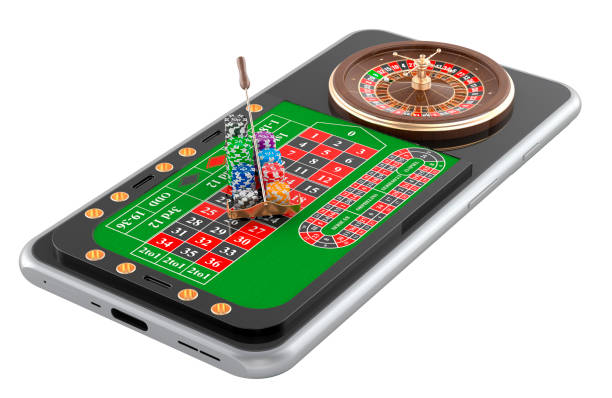
The future of gambling psychology is likely to evolve with advancements in technology and changes in societal attitudes. The rise of online gambling platforms and mobile applications has made gambling more accessible, leading to increased scrutiny on its psychological effects. As digital gaming becomes more prevalent, understanding user behavior and implementing responsible gambling measures will be essential. This includes developing features that promote self-awareness and responsible play to mitigate the risks associated with compulsive gambling.
Moreover, the integration of data analytics into gambling platforms could provide insights into user behavior, enabling operators to identify patterns indicative of harmful gambling practices. This proactive approach can lead to tailored interventions and resources for individuals who may be struggling. By leveraging technology, casinos and online platforms can foster a more responsible gaming environment that prioritizes the mental well-being of players.
Additionally, ongoing research into gambling psychology will be vital in shaping future policies and practices. As our understanding of the psychological effects of gambling deepens, it can inform best practices for operators, regulators, and mental health professionals. The emphasis on mental health and responsible gaming is likely to shape the future landscape of gambling, ensuring that the thrill of gaming does not come at the expense of players’ well-being.
Mafia Casino: A Safe Gaming Environment
Mafia Casino is committed to providing a safe and enjoyable gaming environment for players. With over 3,000 games from top providers, it prioritizes not only entertainment but also the mental well-being of its players. The casino offers various responsible gaming tools, such as self-exclusion options and limits on deposits and losses, ensuring players can engage in a healthy manner.
Moreover, the platform is designed to foster a positive gaming experience. With secure transactions and fast payouts, players can enjoy their time at Mafia Casino without the stress often associated with gambling. The responsive customer support ensures that any concerns regarding gambling behavior are addressed promptly, promoting a culture of responsibility and awareness.
Ultimately, Mafia Casino aims to provide not just a gaming experience, but a holistic approach to gambling that recognizes the importance of mental health. By embracing responsible gaming practices and prioritizing player safety, Mafia Casino stands out as a leading example in the industry, ensuring that fun and responsibility go hand in hand for a more enriching gaming experience.