
The historical evolution of gambling From ancient practices to modern-day trends
Origins of Gambling: Ancient Practices
The roots of gambling can be traced back to ancient civilizations, where it was often intertwined with social and religious practices. Archaeological evidence suggests that dice were used in Mesopotamia around 3000 BCE, indicating that the act of wagering has been part of human culture for thousands of years. Ancient Egyptians also engaged in betting activities, often linked to sporting events and festivals, showcasing the universal appeal of chance and risk. If you’re looking to explore the best betting sites australia, you’ll find diverse options that reflect this long-standing tradition.
In ancient China, gambling was not only a pastime but also a means to engage in community interactions. Games such as Keno were created to help fund state projects, reflecting a blend of governance and leisure. These early forms of gambling laid the groundwork for the diverse betting systems that would evolve in subsequent centuries.
The Development of Gambling in the Middle Ages
During the Middle Ages, gambling saw a transformation as it became more formalized and widely accepted. The establishment of gaming houses and the creation of standardized games helped to shape the gambling landscape. As societies became more structured, so did the rules governing gambling, leading to the establishment of laws and regulations in various regions.
Gambling in Europe flourished with the advent of card games and lotteries. The first official lottery was recorded in 1446 in the Netherlands, providing a new avenue for state revenue. This period marked the beginning of a more organized approach to gambling, paving the way for modern casinos and betting houses.
The Rise of Modern Gambling: The 19th Century
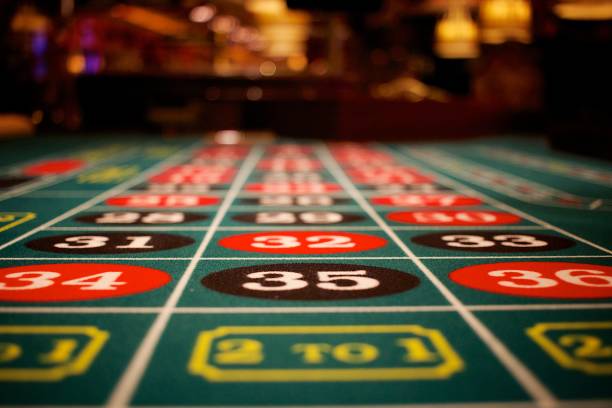
The 19th century ushered in significant changes in the gambling world, particularly with the establishment of casinos. The first official casino opened in Venice in 1638, but it was during the 1800s that gambling became a prominent entertainment option in places like Monte Carlo. The introduction of new games, such as roulette and baccarat, attracted the wealthy elite and solidified the casino’s role as a social hub.
Additionally, this era saw the expansion of gambling legislation, particularly in the United States. The legalization of betting on horse races in the 1900s marked a pivotal shift, leading to the creation of racetracks and a burgeoning gambling culture. This period set the stage for the modern gambling industry we know today.
The Digital Revolution and Online Gambling
The late 20th century introduced a new era of gambling with the rise of the internet. Online casinos and betting platforms emerged, allowing users to gamble from the comfort of their homes. This revolution not only expanded access but also transformed the types of games available, incorporating technology and innovation into traditional gambling.
The psychology behind gambling began to be studied more rigorously during this time. Research into addiction, risk-taking behaviors, and the social dynamics of online gambling provided insights into the motivations of players. This evolving understanding has led to better regulations and responsible gaming initiatives aimed at protecting players.

Exploring Modern Trends in Gambling
Today, gambling encompasses a wide range of activities from online sports betting to mobile gaming applications. The integration of artificial intelligence and data analytics is reshaping how operators engage with players, offering personalized experiences and real-time betting opportunities. Trends like esports betting and cryptocurrency gambling are gaining popularity, reflecting the industry’s ability to adapt to contemporary interests.
As gambling continues to evolve, the importance of responsible gaming remains at the forefront. Educational resources and tools for self-exclusion are increasingly available, ensuring that players can make informed decisions. Understanding the historical evolution of gambling helps contextualize these modern trends and their implications for society.